











In the wake of a New York Times investigation that revealed allegations of rape, sexual assault and grooming of minors against civil rights leader César Chávez, the Alamo Colleges District cancelled its observance of the March 31 holiday previously known as César Chávez Day.
Texas Gov. Greg Abbott directed state agencies March 18 to stop observing César Chávez Day as a national commemorative holiday, and Alamo Colleges will now use March 31 — Tuesday — as a non-instructional day to focus on staff development and community service. The Alamo Colleges District will be open with normal operations and services, but no classes will be held.
Texas joins countless public and private entities across the country that have sought to remove the United Farmworkers leader’s name from monuments, streets and official observances that bear his name.
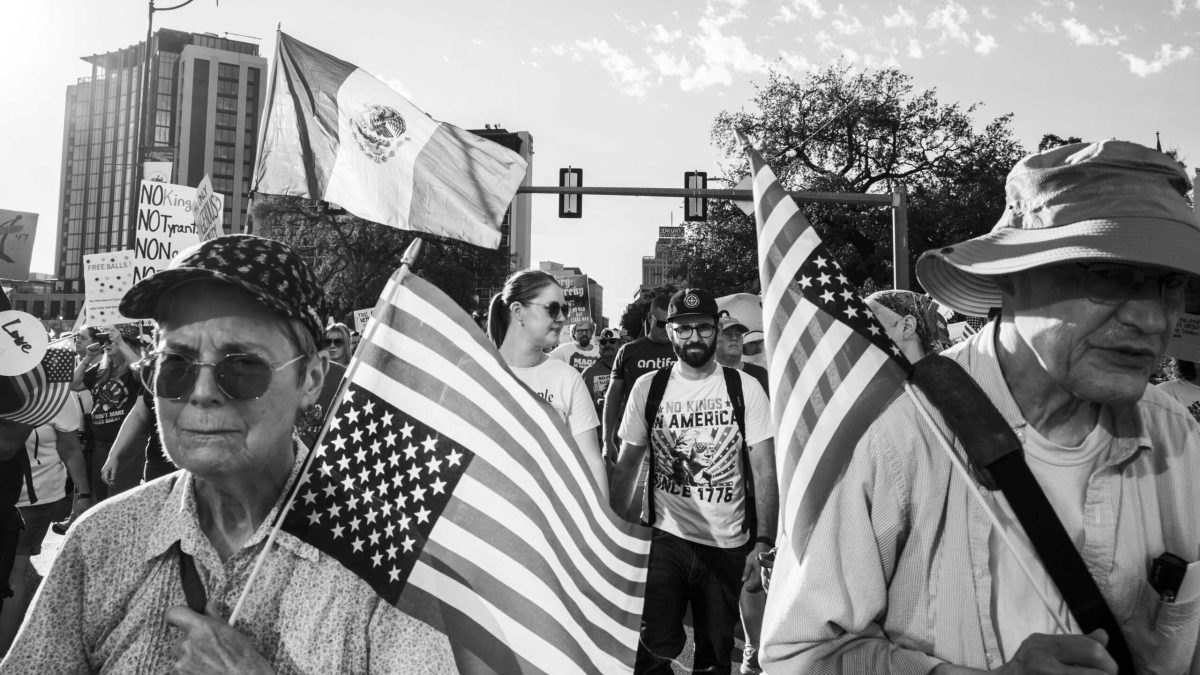
San Antonio’s annual César Chávez March for Justice, which had been scheduled for today, was canceled before the Times article was published as organizers learned of the upcoming revelations. The city’s municipal holiday, which was traditionally observed on Chavez’ birthday, March 31, will now be observed on April 3 and rebranded.
News of the holiday’s widespread cancellation and Chávez’ tainted legacy have evoked reactions from San Antonio College students.
“Okay, good. You don’t deserve that day. You don’t deserve to be recognized, to be praised,” SAC student Jada De La Paz told the Sundial.
The allegations against Chávez were revealed during interviews conducted with more than 60 former aides, relatives and members of the United Farm Workers (UFW), an organization Chávez co-founded with Dolores Huerta that provides services to farm workers in California, Arizona, Michigan, Georgia and Washington state. Chávez and Huerta also co-founded La Union del Pueblo Entero (LUPE), based in the Rio Grande Valley.
In the New York Times investigation, Huerta revealed that Chávez pressured her into sex in 1960 and raped her in 1966. Both incidents resulted in pregnancies she kept secret for 60 years.
“Labor laws are super important. Does that mean he should be recognized for those things? Definitely not,” said SAC Student Jacky Leyva.
The report also names Debra Rojas and Ana Murguia, who alleged Chávez groomed and abused them as minors (as young as 12 or 13) in the 1970s. These allegations suggest a pattern of predatory, abusive and criminal behavior spanning decades. The interviews with the victims were independently verified, and many elements of their stories were corroborated by historians, union organizers and Chávez supporters.
“Unfortunately, when people think and talk about the Chicano movement, they automatically think about him,” SAC Professor of History and Mexican-American Studies Dr. Marianne Bueno said. “Cesar Chavez and the UFW have always sat prominently at the forefront of the Chicano movement. That’s going to change for a lot of people, and it’s going to change the way a lot of educators teach the Chicano movement. The reverberations are going to be generations out.”
As a result of the myriad allegations involving its namesake, the San Antonio-based César E. Chávez Legacy and Educational Foundation officially dissolved. The reverberations of the Chávez controversy extend from local organizations like CECLEF and LUPE to national entities such as United Farm Workers (UFW) and the César Chávez Foundation. Each has released statements regarding the recent developments. These statements can be accessed via the links below.