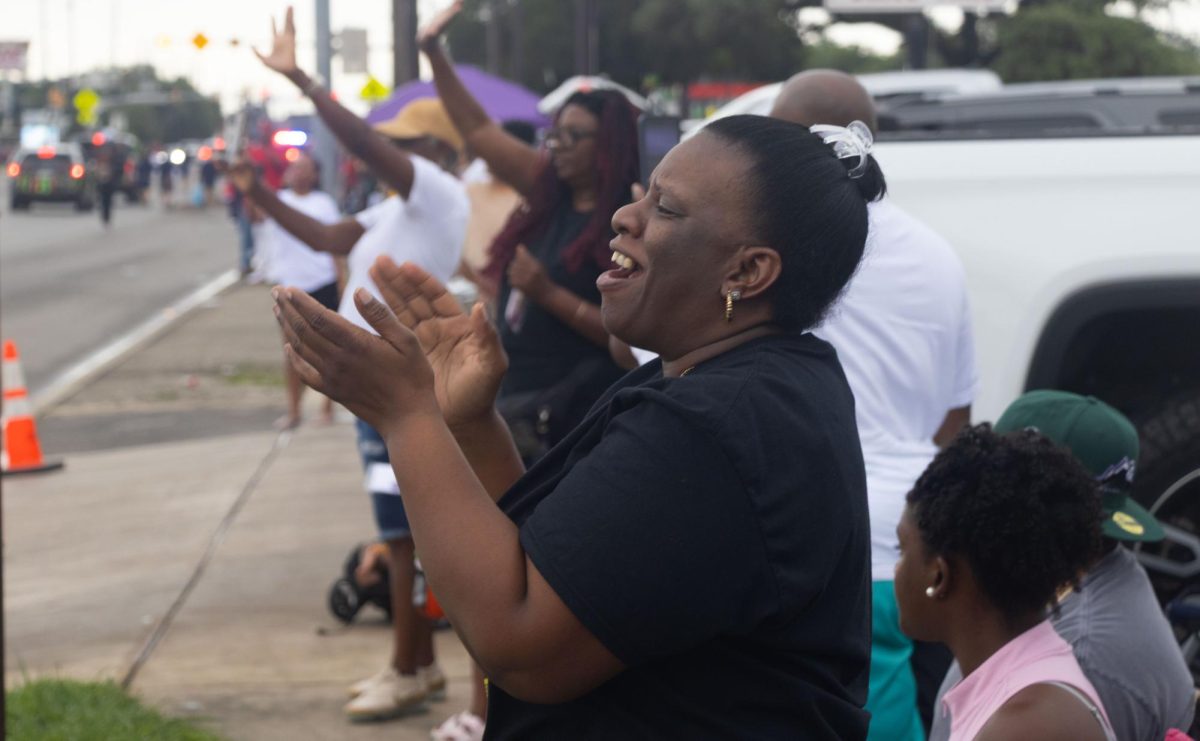







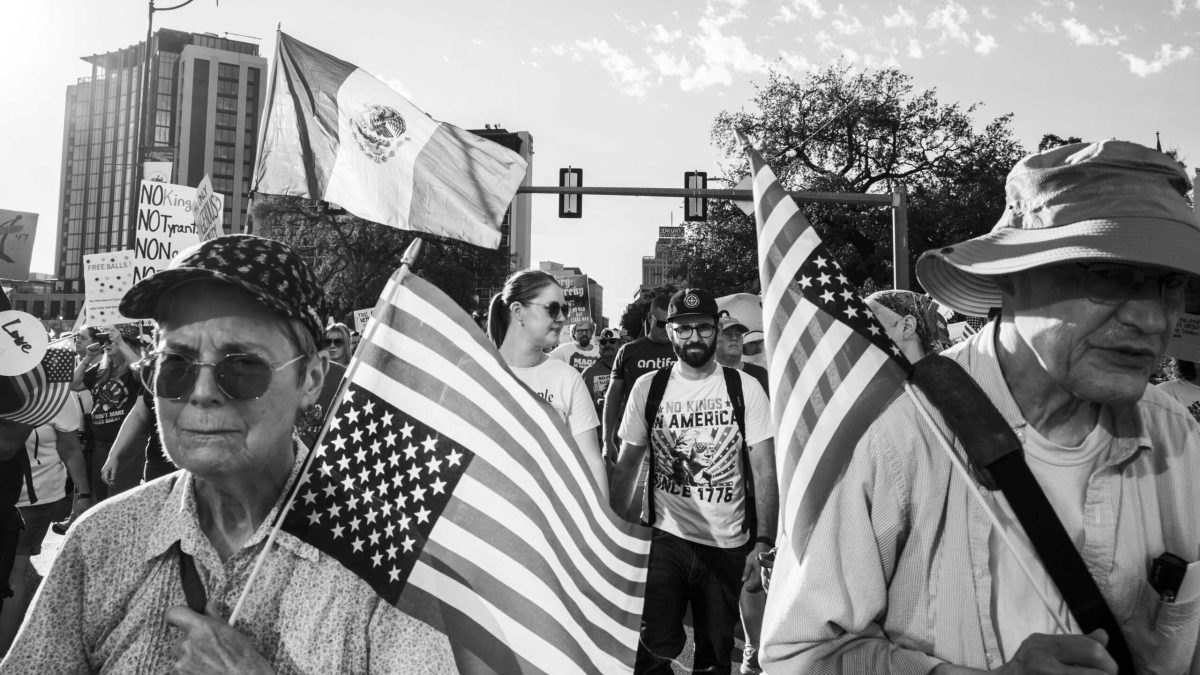

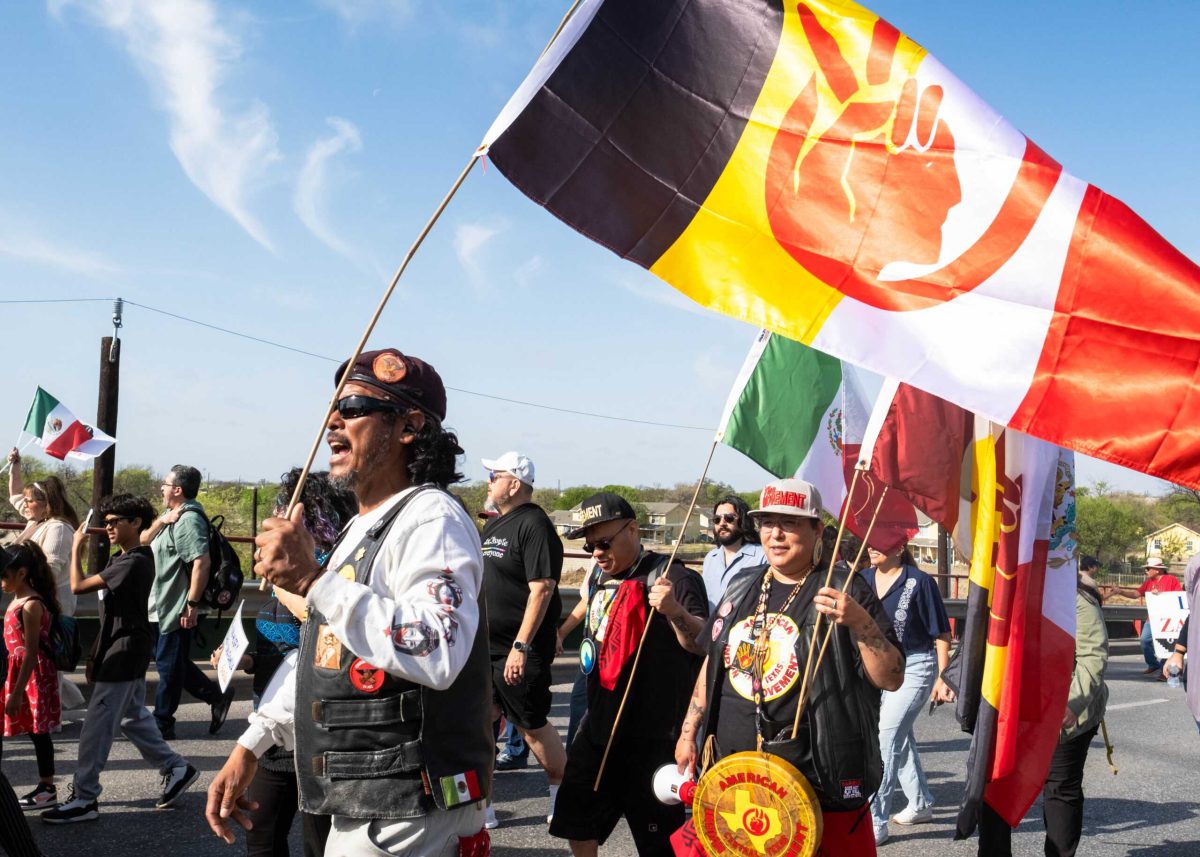



Dozens of demonstrators gathered Friday, May 1, in downtown San Antonio for the May Day rally supporting workers’ and labor rights worldwide.
Marches and rallies are planned across the country and around the globe to honor the labor unions that organized a strike and pushed for an eight-hour workday in 1886. May Day organizers call for no work, school and spending money.
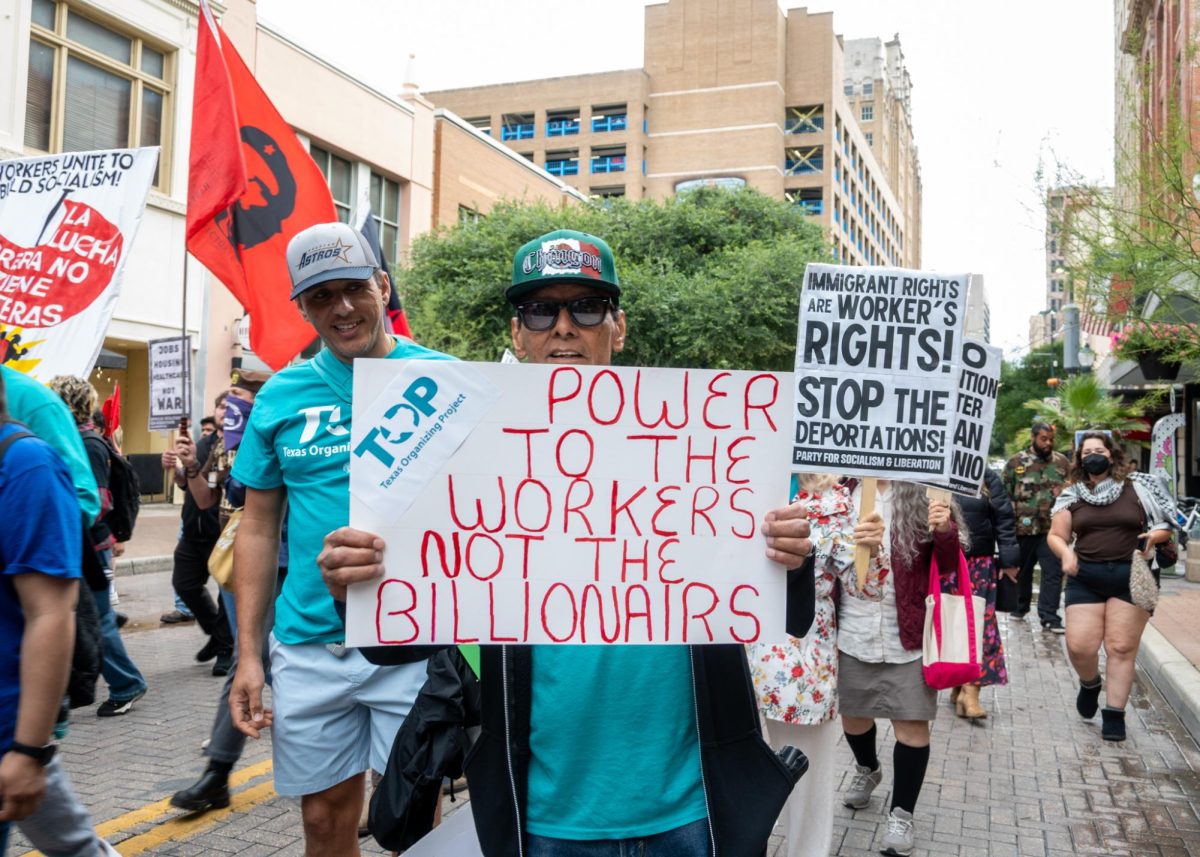
“I come from a family of educators. I come from a family of immigrants, so it’s important for me to come out here, use my voice and speak with the privilege that I was given by my ancestors.” History major Sierra Angel told the Sundial. “Getting involved by doing volunteerism, getting up and speaking to your neighbors and your community, rather than just staying at the polls, I think will make a difference in a lot of people’s effort or drive to make a difference within this country.”
The rally and march began at Main Plaza and ended at the Hipolito F. Garcia Federal Building and U.S. Courthouse, where community organizers, union leaders and politicians addressed the importance of May Day.
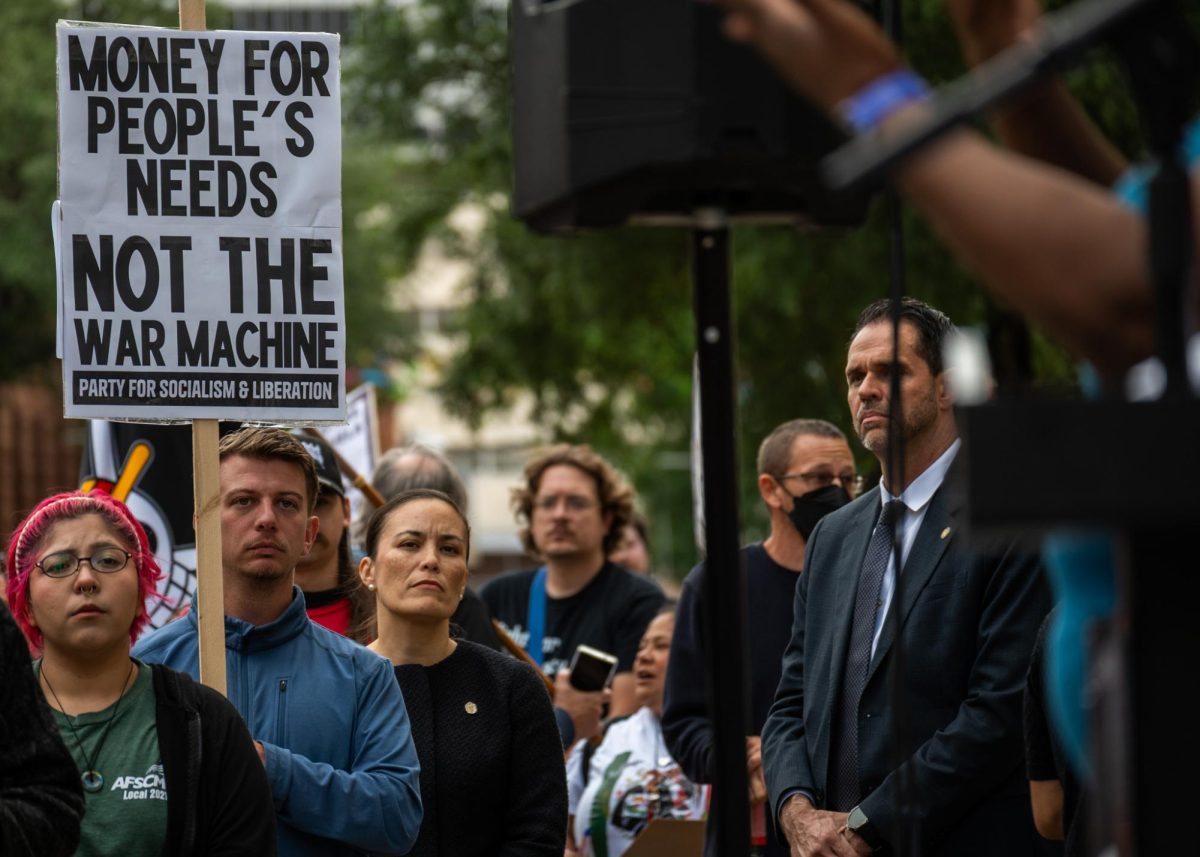
“As mayor, I’m always prioritizing working families in our community, how we can improve their lives and the lives of their children. Frankly, making sure we’re a city where everybody is treated with dignity and respect,” Mayor Gina Ortiz Jones told the Sundial. “It’s so important that we don’t get discouraged, that we continue to organize, we continue to elevate voices that are in this fight, even if they’re not our own. We make sure that we understand that we’re going to get the most done together.”
Chants of “whose streets? Our streets,” and “when immigrants are under attack, what do we do? Stand up, fight back,” filled downtown as demonstrators marched toward the Federal Courthouse where U.S. Rep. Joaquin Castro spoke.
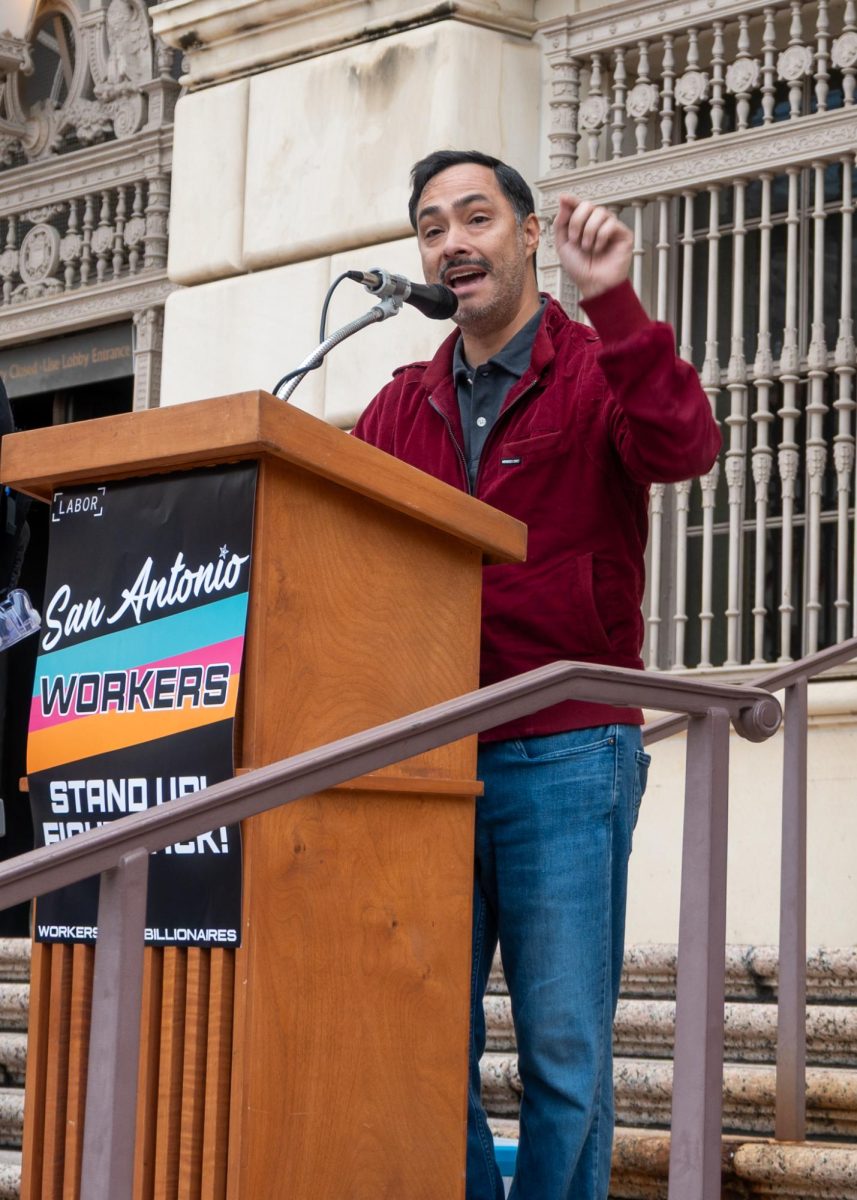
“Y’all know San Antonio has a long history of advocating and pushing for labor rights. From Emma Tenayuca in the 1930s to the Starbucks workers who took on their own company in San Antonio.” Castro said. “It’s getting harder for our families who work every single day to afford basic things like groceries, gas and rent, and we have a president that doesn’t give a damn.”
Since the 1970s, worker productivity has risen while wages have stagnated, leaving the working class struggling financially and mentally. The erosion of collective bargaining rights, along with corporations’ offshoring manufacturing, increases economic inequality as workers have less say.
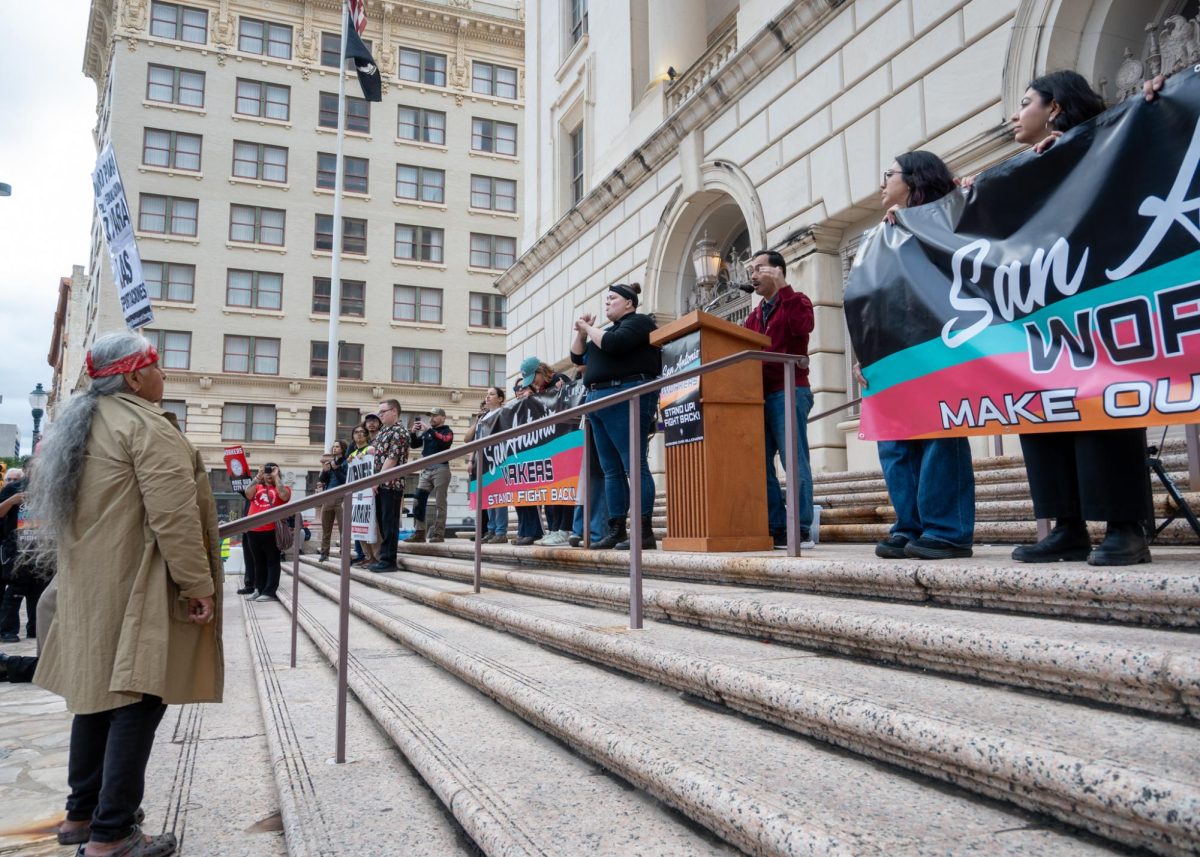
“We have a president who’s making it easier for billionaires through crony capitalism to take more and more and to allow less and less for workers and everyone else,” Castro said. “Your voice, your work, your advocacy, and your action are needed now more than ever.”